Winter metabolism in horses – why does it require a different feeding approach?
The horse’s digestive system is primarily specialized for processing fiber. During fermentation in the hindgut, not only are nutrients released, but heat is also produced, which is vital in winter. Scientific research confirms that exposure to cold significantly increases a horse’s energy requirements, especially if the horse spends a lot of time outdoors or performs intensive work.
If this additional energy is not provided through appropriate feed, the body will draw on its own reserves. This can lead to weight loss, muscle breakdown, and a weakened immune system. That is why the foundation of winter horse feeding is adequate-quality fiber (good-quality hay), supplemented with easily digestible energy sources.
Hay and supplementation – the basics of winter feeding
The basis of winter feeding for horses remains good-quality hay; however, on its own it is often not sufficient. In many cases, the energy content of hay does not cover either the maintenance needs of senior horses or the increased demands of young sport horses. This is where the use of mash in winter comes into focus, as it provides energy, is gentle on the digestive system, and increases fluid intake at the same time.
Meglio Complete Mash fits particularly well with the needs of the winter period. When prepared warm, it is not only palatable but also easy to digest, stimulates appetite, and provides essential nutrients in a concentrated form. Complete Mash is an ideal choice for winter horse feeding, especially when the goal is to maintain body weight and stabilize digestion. Its linseed meal and milk thistle meal supplements support not only digestion, but also coat and skin condition as well as liver function.
Feeding senior horses in winter – with extra care
Winter feeding of senior horses is a particularly sensitive area. As horses age, chewing ability declines (making it important to supplement the diet with pellets such as hay pellets, alfalfa pellets, or beet pulp pellets), digestive efficiency decreases, and joint problems become more common. Cold weather can further increase joint stiffness and reduce overall comfort.
In this case, Complete Mash is especially beneficial, as it is easy to consume while still being a complete feed. In addition, joint support becomes a key factor: regular use of Meglio Joint Guard supports cartilage elasticity, contributes to the health of connective tissues, and may help reduce winter-related musculoskeletal discomfort. For senior horses, this is not a luxury in winter, but prevention.
Feeding sport horses in winter – performance and recovery
Winter feeding of young sport horses presents different challenges. In cold conditions, muscles and joints warm up more slowly, while training still requires an adequate energy level. When feeding sport horses in winter, it is important that the diet not only provides energy, but also supports recovery.
Complete Mash is an excellent choice for post-training feeding, while Joint Guard can help prevent joint overload. Due to more confined housing and reduced turnout, many sport horses also become mentally more sensitive during winter. In these cases, Meglio No Stress can be particularly useful, as its natural ingredients support the nervous system and digestion. A more balanced horse works more effectively and recovers faster.
Stress and digestion – hidden connections in winter
Few people consider that stress has a direct impact on a horse’s digestion. Winter environmental changes, feed transitions, and cold all act as stress factors. The use of No Stress can help reduce stress-related digestive disturbances, stabilize gut function, and improve overall well-being during the winter months.
How to achieve successful winter horse feeding
Conscious winter horse feeding is not only about quantity, but about recognizing connections. Adequate fiber intake, digestible energy sources, joint support, and stress management together form the foundation that ensures horses get through winter healthy and in good condition.
Meglio Complete Mash, No Stress, and Joint Guard complement each other to support winter feeding for horses, whether senior horses or young sport horses. With proper use, not only does winter become easier, but the spring season can also start from a stronger foundation.
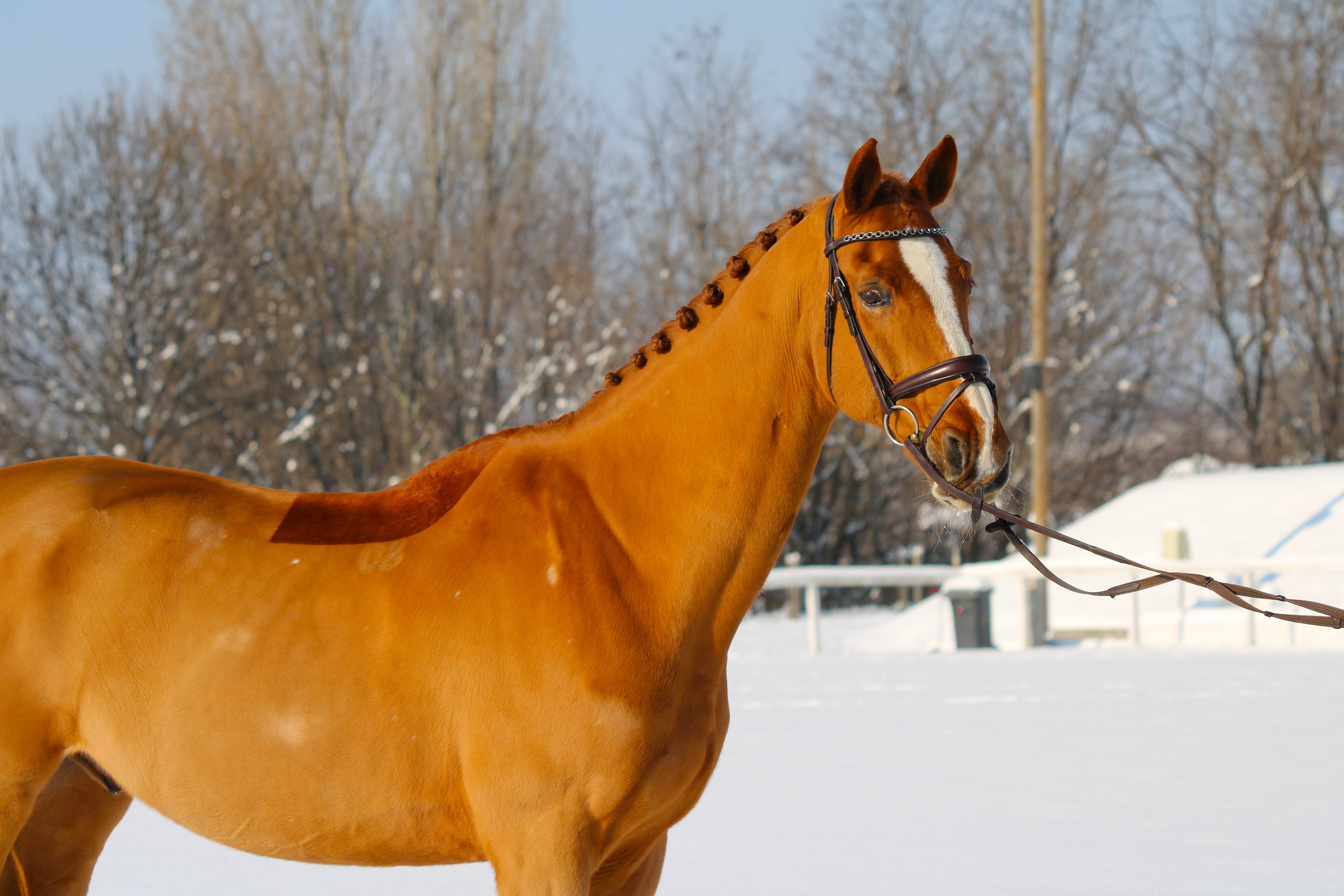
In our opening photo, the radiant Sundance, at 18 years old, is preparing for the indoor season in excellent condition with our Extra Care feed and cold-pressed linseed oil. His symptoms indicating gastric ulcers have practically disappeared.